
I have noticed something funny about the 'Kuying Teton'. When people first get interested in it, they talk like anglers. They ask about lure range, tip feel, trout magnets, panfish, creek work, little hardbaits, whether it feels crisp or dull, whether it bends cleanly on small fish, whether it has enough authority for the occasional surprise bass.
Then the moment they actually get ready to buy, a totally different mood shows up.
Suddenly the conversation is not really about fishing anymore. It becomes about 'where to buy it', how long it will take, whether customs or tariffs will make the price uglier than expected, whether the listing is real, whether the seller is legitimate, whether the rod will arrive in one piece, whether the tracking will stall for two weeks, whether 'cheap' is really cheap once stress gets added to the transaction.
That shift matters a lot more than people admit. Because for a rod like the Kuying Teton, the biggest source of regret often is not the blank, not the guides, not the action, not the actual fishing experience. It is the buying path.
And I think that is exactly why this topic feels hot again. The Teton itself is not some mystery anymore. Plenty of anglers know roughly what it is supposed to be. What keeps getting people stuck is the buying decision around it. 'Buyer confidence' has quietly become part of the product.
I get that completely. If I am buying something mainstream on Amazon, my brain relaxes. If I am buying a more niche rod from overseas, my brain starts doing extra work. It starts pricing in delay risk, scam risk, packaging risk, communication risk, and even my own patience. That is where a lot of people lose the clean joy of a tackle purchase.
For me, the honest way to think about buying a Kuying rod now is this: 'do not shop only for price ?shop for predictable outcome'. The cheapest path is not always the cheapest once you add anxiety, waiting, or the chance of getting burned. A slightly more expensive path can be the better value if it lets me sleep at night and get to the water faster.
I have gone through this enough times with niche tackle that I no longer pretend the pure sticker price tells the whole story. It does not. Not even close.
And the more specialized the rod is, the more that gap widens.
If I am buying a mainstream rod from a big U.S. retailer, I already know the emotional cost is low. If something goes wrong, I can usually fix it through a normal return flow, a domestic warehouse, or a brand that has a clear U.S. footprint. That does not make the product better, but it makes the purchase feel safer.
Kuying lives in a different psychological zone for many U.S. buyers. It is popular enough to be known, but not domestic enough to feel frictionless. That means the buyer is often balancing three questions at once.
'First:' is this a legit listing?
'Second:' how long is this actually going to take?
'Third:' if something goes wrong, how ugly does the fix become?
That is why these Reddit threads have so much emotion in them. People are not only comparing sellers. They are comparing stress levels.
I have felt the same thing myself. Picture me planning a little trout-and-panfish trip outside 'Asheville, North Carolina'. Maybe I want the Teton for small jigs, tiny plugs, and that nice sharp little feeling on the bank. If I buy it from a seller I do not fully trust, the rod starts feeling complicated before it even exists in my hand. I am checking tracking too much. I am wondering whether the packaging will be a joke. I am doing mental math on whether I should have just bought something less interesting but easier.
That is already a form of regret.
Meanwhile, if I buy through a path with a stronger reputation for speed and consistency, the purchase starts acting more like a normal purchase. That matters. Fishing tackle is supposed to create anticipation, not background stress.
And that is the core problem many buyers are trying to solve now. Not 'Can Kuying make a good rod?' The market already treats that as mostly settled. The active question is much more practical: 'which buying route lets me get the real rod with the least drama?'
KUYING fishing rod. Latest Buzz & Buyer Beware (Constantly Updated)
Pro Tips for Anglers
I think most buyers looking at Kuying fall into one of two groups, even if they do not say it out loud.
The first group is 'price-first'. These buyers are very willing to hunt, wait, compare sellers, and accept a bit of uncertainty if the deal is good enough. They do not mind a longer shipping window as long as the savings feel meaningful. They can live with some marketplace weirdness. They are more comfortable gambling a little if the payoff is there.
The second group is 'confidence-first'. These buyers hate vague tracking, hate seller roulette, hate the idea of a broken rod showing up after weeks of waiting, and hate the feeling that they may need to fight for a refund or prove a problem through a clumsy dispute system. For them, predictable shipping and seller reputation are part of the value.
Neither mindset is wrong. The mistake is when a buyer pretends to be in one group while emotionally living in the other.
If I am really a confidence-first buyer but I chase the rock-bottom listing anyway, I often end up punishing myself. I save a bit upfront, then spend the next month annoyed. I start doom-scrolling comments about counterfeits and broken shipping tubes. I convince myself every silence in tracking means disaster. That is just bad purchasing psychology.
On the other hand, if I know I am calm, patient, and good at navigating marketplaces, then maybe I can squeeze more value out of a less comfortable buying path.
This is where the recent discussion around 'Digitaka versus AliExpress' gets so revealing. It is not really only about those two names. It is about the difference between buying in a way that feels stable and buying in a way that feels probabilistic.
That distinction matters because anglers do not just buy rods. They buy expectations.
The recent buyer comments are actually pretty easy to decode once I strip away the strong language and just look at the pattern.
The pattern says: when buyers talk about 'Digitaka', they keep circling around speed, legitimacy, and the feeling that they know what kind of experience they are likely to get. When they talk about 'AliExpress', they split. Some say they got legit gear. Some say it took too long. Some say the 'Choice' listings feel safer. Some say the platform can feel scammy if you browse too freely.
That is not a trivial nuance. It is probably the most useful nuance in the entire conversation.
I think the cleanest way to say it is this: 'AliExpress is not one single seller experience'. It is a marketplace experience. And marketplace experiences rise or fall on filtering skill.
That means if I go there without discipline, I can absolutely create my own regret. If I stay inside the more curated, more confidence-boosting parts of the marketplace, the odds improve. That seems to be exactly why 'Choice' keeps coming up in these discussions. Buyers are looking for a version of the marketplace that feels less like a gamble and more like a retail channel.
That makes perfect sense to me.
I do not think the average angler wants to become an expert in marketplace risk management just to buy one rod. They want to fish. So when a label or channel makes the purchase feel more predictable, that label starts carrying real value.
At the same time, I also understand why so many people still praise Digitaka in a very different tone. It sounds less like 'I found the right listing' and more like 'I trust the shop.' That is a huge emotional difference. Trusting the shop is a cleaner, easier mental state than trusting my own ability to navigate a marketplace full of mixed-quality listings.
For confidence-first buyers, that difference is everything.
I think of it like this: if I am planning a bank session in 'Spokane, Washington' and I want my gear in hand next week because the weather window is lining up, I am not really shopping for the lowest theoretical price anymore. I am shopping for 'predictable arrival and believable support'. That is a very different purchase logic.
And it is a more mature one than people sometimes admit.
Disclosure: As an Amazon Associate I earn from qualifying purchases.
'If I wanted one half of the setup to be boringly legit and easy to get'
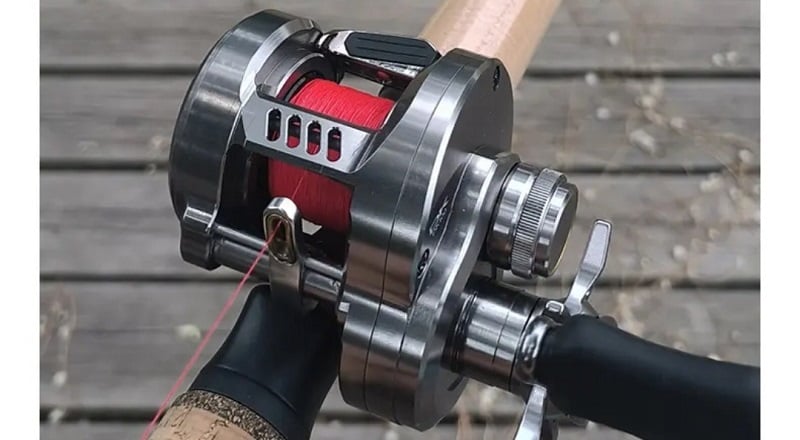
'Shimano Curado BFS' ?when the rod itself may already involve overseas-buying nerves, I like making the reel side simple. A mainstream BFS reel from Amazon gives me one stable anchor in the whole purchase, and it matches the Teton style of fishing beautifully.
'If I wanted the line to help me judge the rod clearly instead of muddying the whole experience'
'PowerPro Super Slick V2' ?this is the kind of line I like when I am trying to find out whether a finesse rod really feels lively. If the line is clean and slick, I get a more honest read on the setup and less 'maybe it’s the line' second-guessing.
'If I wanted a tiny-lure benchmark that immediately tells me whether the purchase was worth it'
'Trout Magnet TNT Kit' ?this is exactly the kind of bait kit I like for testing a Teton-style rod the moment it arrives. Tiny jigheads, small soft bodies, real finesse use. No fake hero test. Just the stuff that tells me whether I actually bought the right rod.
'If I buy rods online often and want cheap insurance against future regret'
'Plano Guide Series Adjustable Rod Tube' ?not glamorous, but very smart. If I order niche rods, travel with them, or ever need to re-ship one, a hard tube stops being an accessory and starts being stress reduction.
I am not one of those people who says every AliExpress purchase is automatically a scam. That is not what the real-world comments show, and honestly it is too simplistic to be useful.
What I do believe is this: 'AliExpress rewards discipline and punishes lazy browsing'.
If I were buying a Kuying rod that way, I would not treat every listing as equal. I would stay inside the higher-confidence lane as much as possible. That means prioritizing listings that feel more curated, more standardized, and less like individual-seller roulette. That is why the 'Choice' distinction is so practical. Buyers are not only talking about a badge. They are talking about a different emotional experience.
If a listing feels like a normal retail purchase, I relax. If it feels like I am deciphering a suspicious flea market booth with better web design, I leave.
That sounds obvious, but it saves a lot of regret.
I would also never let myself get hypnotized by the absolute cheapest listing if the price gap is not huge. This is one of the easiest ways to make a bad tackle decision. People will risk an entire month of uncertainty to save an amount of money they would happily burn on gas, coffee, or one impulsive lure order. That is irrational. A rod purchase that I am already nervous about is exactly where I should pay for better odds, not worse ones.
And I do think a lot of anglers are getting smarter about this now. They are no longer asking only, 'Can I get it cheaper?' They are also asking, 'Will this route make me feel stupid later?' That second question is much more valuable.
Because once I say it that way, a lot of fake bargains stop looking attractive.
When I am tempted by a niche rod from overseas, I now run a little mental checklist before I buy. It is not complicated, but it protects me from the dumbest mistakes.
'1. I decide whether I am buying for lowest price or lowest stress.'
If I am honest about that up front, the rest gets easier. Most regret starts with self-deception.
'2. I separate seller risk from product risk.'
A good rod can still be a bad purchase if the buying path is messy. These are different problems.
'3. I ask whether the price difference is meaningful enough to justify uncertainty.'
If the answer is 'not really,' I stop pretending I am making a clever move by choosing the sketchier route.
'4. I think about timing.'
If I need the rod for a trip, for a short season, or for a very specific bite window, slow shipping becomes more expensive than it looks.
'5. I think about damage risk.'
A rod is not a reel. Shipping confidence matters more with long, fragile items, and comments about rods arriving broken should never be shrugged off.
'6. I build stability around the rod.'
If the rod purchase itself feels niche, I often want the reel, line, and testing baits to feel mainstream and easy. That way the whole project does not become stressful at every step.
This is actually how I would advise a friend buying a Kuying today.
If the buyer is nervous, I would tell them to pay for the cleaner buying route on the rod, then buy the rest of the system domestically and predictably. That balances the whole experience. One exotic purchase is fun. Four uncertain purchases at once is how people talk themselves into hating a setup before they ever fish it.
Let me make it less abstract.
Say I am in 'Madison, Wisconsin', buying a Kuying Teton because I want a light, lively creek-and-pond rod for panfish, tiny bass, and the occasional trout trip. If I buy it through a route I trust, then pair it with a reel I can get quickly, line I already know, and a bait kit that tells me exactly what the rod does, I start my first trip in a good mood. The whole setup feels intentional.
Now change only one variable: the rod purchase feels sketchy, the shipping takes forever, tracking gets weird, and I spend three weeks reading comments about scams and customs. By the time it arrives, I am already annoyed. Even if the rod is fine, it has to climb out of a psychological hole I dug during the waiting period.
That is real. People do not talk about it enough, but it is real.
Or take a small-stream trip near 'Boise, Idaho'. I want that quick little Teton feeling with micro jigs and small plugs. If the rod shows up on time and exactly as expected, I start enjoying it immediately. If I had to white-knuckle the transaction to save a little money, every tiny imperfection starts feeling personal. I become hypercritical. I second-guess the blank. I start wondering whether I should have just bought something easier.
That is what regret often looks like in tackle. It is not always about the product. It is often about the path I took to get there.
And that is why I think buyer confidence and predictable shipping are not side issues anymore. They are part of the real product experience for rods like this.
If I were giving simple advice, I would put it like this.
If I care most about 'trust, speed, predictability, and cleaner buyer psychology', I lean toward the seller path with the strongest reputation for those things. That is the kind of route I would choose when I want the purchase to feel settled quickly and I do not want to babysit the transaction.
If I care most about 'savings and I am comfortable managing marketplace risk', then I can see the case for AliExpress ?but I would still keep my standards high, stay inside the more confidence-building part of the platform, and avoid treating random listings as interchangeable.
That is really the practical nuance here. It is not 'AliExpress bad, everything else good.' It is 'marketplace discipline matters a lot, and many buyers are happier when they pay for a smoother experience.'
I also think buyers should be honest about their personality. Some people can wait a month and not care. Some people say they can, then spend the whole month spiraling. Know which one you are.
I know myself pretty well now. If it is a rod I am excited about, and I already know it is somewhat niche, I usually do better when I buy through the channel that lets me stop thinking about the transaction.
That peace is worth money to me.
I like this one because it brings the Teton back to where it belongs ?on the water, doing real finesse work, instead of living forever in checkout anxiety.
https://www.youtube.com/watch?v=FtNZA7YOy10
Reddit: Do you guys buy from Ali Express and Digitaka if so how’d it go
Reddit: How worried should I be about counterfeits from Aliexpress
Reddit: Digitaka shipping
YouTube: Testing and Reviewing the Kuying Teton Ultralight Rod
The main theme is simple: with a Kuying rod, the right buying path often matters almost as much as the rod itself.


