
I have been watching the recent Daiwa BFS talk pretty closely, and the thing that keeps jumping out at me is not that people disagree on whether Daiwa is good. Most people already know Daiwa is good. The real disagreement is sneakier than that. It is about what the word ''BFS'' is supposed to mean once you move from shopping language into actual fishing.
That sounds small until you spend real money on the wrong reel.
I think this is one of the biggest reasons Daiwa's BFS conversation is getting louder. A buyer sees 'Tatula BF 70', sees the letters BFS, sees the finesse language, maybe watches a couple of videos, and thinks, 'Great, this is my Daiwa answer for light lures.' But then the buyer's actual fishing turns out to be very specific. Maybe he wants to throw 1- to 3-gram trout plugs on a tight creek. Maybe she wants to throw tiny panfish jigs and little inline spinners on ultralight line. Maybe somebody else actually means 1/16-ounce to 1/4-ounce bass lures around ponds, docks, and light grass edges. All three people can say 'I want a BFS reel,' but they are not shopping for the same thing at all.
That is the pain point right there.
Daiwa did not create that confusion by itself. The whole BFS world has this issue. But Daiwa's current lineup makes the split very easy to feel, because one part of the line is much more comfortable in the 'light bass finesse' zone, while another part leans much more honestly toward 'true ultra-light or stream-oriented finesse'. If a buyer treats those as the same thing, disappointment shows up fast.
I actually like this topic because it teaches something useful. It is not one more boring 'brand A versus brand B' argument. It is about learning that a label can be technically true and still not be specific enough for the kind of fishing you really want to do.
And with BFS, that matters more than people think.
Disclosure: As an Amazon Associate I earn from qualifying purchases.
'1) The best match if your idea of BFS is really light bass finesse, not true micro-lure extremism:'
'Daiwa Tatula BF70'
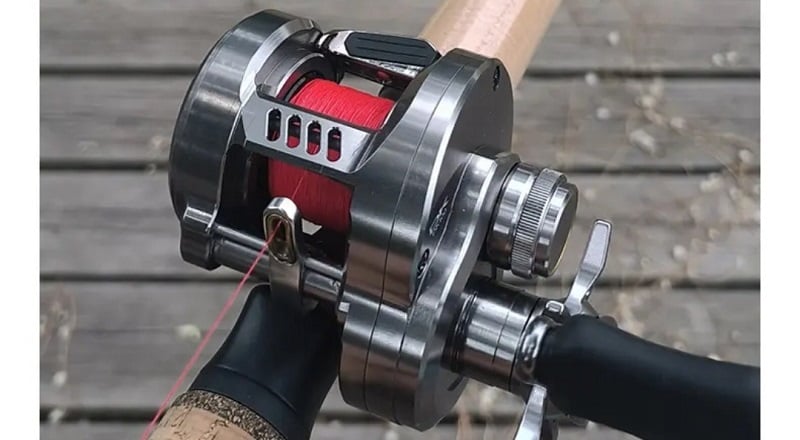
I picked this first because it is the most realistic on-ramp for the kind of BFS many U.S. bass anglers actually want. It is easy to understand, it lives in the Tatula family, and it makes sense for light bass lures where you still want the reel to feel substantial and familiar. If your real day looks like weightless plastics, small swimbaits, little cranks, compact jigs, or lighter moving baits on ponds, reservoirs, and suburban bank water, this is a very attractive place to start.
'2) The better Daiwa if your actual target is true ultra-light work and you do not want to fake that difference anymore:'
'Daiwa PX BF70'
I picked this because a lot of buyers are not really looking for a 'light bass caster' at all. They are looking for something that sits closer to real ultra-light bait finesse, especially if trout, panfish, or tiny hardbaits are part of the picture. That is where the PX starts making more sense than the Tatula BF70. It feels like the product you choose when you stop using the word BFS loosely and start using it more literally.
Daiwa baitcasting fishing reel Latest Buzz & Buyer Beware (Constantly Updated)
Pro Tips for Anglers
'3) The mainstream cross-check that helps you figure out whether your problem is Daiwa, or your definition of BFS:'
'Shimano Curado BFS'
I picked this because every serious BFS shopping conversation eventually runs into Shimano. The Curado BFS is one of the cleanest ways to check yourself. If you are comparing it to the Tatula BF70 and still feel like both seem a little too 'bass BFS' for the tiny lures you actually want to throw, that tells you something important. If one of them feels exactly right, that also tells you something important.
'4) The specialist pick if your actual world is stream trout, tight water, and precision casting:'
'Daiwa Silver Creek Air TW Stream Custom'
I picked this because some readers are going to realize that what they really wanted all along was not 'light bass finesse with BFS written on the box.' They wanted a reel tuned for the trout-and-small-water end of the spectrum. This is the kind of reel that makes the whole BFS vocabulary problem disappear. The minute you look at a reel like this, the Tatula BF70 starts making more sense too, because you can finally see that the two reels are not trying to solve the same day on the water.
I think the confusion starts because the word itself sounds more precise than it really is.
On paper, BFS means bait finesse system. That sounds neat and technical, like it should instantly tell you what the reel is for. But once you spend time around actual anglers, that neat definition breaks apart. One person's BFS is a light bass setup throwing 1/16-ounce or slightly heavier plastics and moving baits on ponds and reservoirs. Another person's BFS is tiny trout minnows, creek plugs, little spoons, micro spinners, and panfish jigs that live much closer to the true ultralight world. Somebody else is using BFS almost like a style word, meaning 'baitcaster, but smaller and more finesse-oriented than normal.'
All of those people can sound like they are having the same conversation. They are not.
That is why buyers get trapped. The reel may truly be a BFS reel. The problem is that 'the buyer's version of BFS may not match the reel's version of BFS'.
I think Daiwa's lineup makes this especially visible because the reels are not all aiming at the same end of the finesse scale. The Tatula BF70 sits in a place that makes a ton of sense for bass anglers who want to throw lighter lures and enjoy the control and fun of bait finesse without turning every trip into a delicate little trout laboratory. But once the buyer starts dreaming about 1- to 3-gram lures, stocked trout, creek fish, panfish, or extreme lower-end casting, that same reel can stop feeling like the obvious answer.
That is not because the Tatula BF70 is bad. It is because the buyer was using one word to describe two different jobs.
I think the Tatula BF70 makes the most sense when the buyer is honest about being 'bass-first', even if the lures are lighter than normal baitcaster territory.
This is the reel I picture on a light or medium-light casting rod around neighborhood ponds outside Dallas, on smaller reservoirs near Sacramento, or on calm sections of lake bank around Knoxville where the angler wants to throw smaller soft plastics, compact jigs, finesse swimbaits, light jerkbaits, and small moving baits without having to reach for spinning gear every time the lure gets lighter.
That is a very real lane. A fun lane too.
A lot of anglers do not want a reel that feels like a tiny specialty machine built for the narrowest possible niche. They want a reel that still feels solid, still feels like it can handle a decent fish, still fits normal bass tackle habits, but opens up the lighter side of fishing in a more enjoyable way. The BF70 is easy to understand there. It feels like a Tatula that has been pushed into finesse, not like a completely different species of tackle.
And that is exactly why so many people like it.
The problem only starts when people read that satisfaction and assume it means the BF70 automatically becomes the right answer for true micro-lure trout or panfish work. That is where the mismatch starts showing up in discussion threads. People keep praising the BF70 as capable, smooth, and easy to like, while also quietly drawing a line under it: yes, it can fish light; no, that does not make it the same thing as a more extreme finesse reel.
To me, that is one of the healthiest kinds of forum chatter. It is not anti-product. It is just people trying to put the product back into the right box.
The PX BF70 is important because it forces the buyer to get more honest.
If somebody is standing there saying, 'I want Daiwa, I want BFS, and I really want to throw tiny lures,' the PX is the reel that makes the Tatula BF70's position a lot clearer. The PX feels like Daiwa saying, 'Okay, if by BFS you mean real ultra-light finesse, here is the more serious answer.'
That is a useful correction.
I think a lot of buyers would actually save themselves money and second-guessing if they understood this sooner. They would stop looking at the Tatula BF70 as though it needs to be everything. They would see it for what it is: a very appealing bass-leaning BFS reel. Then, if their own fishing life points farther down the micro-lure path, they would know to keep moving.
I also think this is where experienced BFS anglers tend to sound a little blunt online. They have already learned the hard way that the lower end of lure weight changes everything. You can talk about BFS in general all day, but once you start creeping toward tiny trout plugs, tiny spoons, panfish jigs, and weird little sub-gram dreams, the reel's real personality starts mattering a lot more. Suddenly the reel that felt broad and capable at the bass-finesse end starts looking less like a do-it-all answer and more like one specific answer.
That is not a flaw. It is just specialization finally becoming visible.
Because real buyers do not shop inside one logo forever.
The Curado BFS matters here because it helps calibrate expectations. A lot of anglers already know the Curado name. It feels safe, mainstream, proven, and less mysterious than diving deep into JDM-style nuance right away. That makes it very useful as a checkpoint.
If you compare the Curado BFS and the Tatula BF70 and both still look like 'bass-oriented BFS' answers to you, that probably means your real fishing target sits farther down the ultralight path than you first thought. If one of them feels exactly right for what you want, that is useful too. The comparison clarifies the buyer, not just the products.
I like that because shopping is rarely just about specs. It is about self-diagnosis. You do not really need the best reel in the abstract. You need the reel that matches what you mean when you say certain words. And with BFS, those words are slippery.
I have noticed that once buyers compare Daiwa BF70 and Curado BFS honestly, they usually get pushed in one of two directions. Either they realize, 'Actually, this is exactly the type of BFS I wanted,' or they realize, 'No, I keep wanting something more micro, more stream-specific, or more trout-oriented.' Both outcomes are good outcomes, because both are clearer than where they started.
The Silver Creek Air TW Stream Custom is the kind of reel that quietly solves an argument by existing.
Once a buyer sees a reel that is openly about mountain streams, short precise casting, and trout-style work, it becomes much harder to keep pretending that all BFS reels are basically the same thing with slightly different badges. The Silver Creek makes the specialization visible in a way that the broader bass-finesse reels do not.
I think that matters a lot for readers who fish smaller water.
Imagine a creek angler outside Boise working pockets, seams, and little current breaks with tiny plugs and spinners. Or somebody in Appalachia picking apart tight stream lanes where the cast is more about placement than raw distance. Or a trout angler in small moving water who wants a reel that feels like a sharpshooter, not just a downsized bass reel. That person is not shopping for the same emotional experience as the bass angler on a pond bank outside Charlotte.
Both can love BFS. They just do not need the same reel.
This is why I think the Silver Creek-style option is so useful to mention even if not every reader will buy it. It makes the vocabulary problem disappear. The minute you look at a reel like this, you can feel the difference between 'BFS as light bass casting' and 'BFS as actual small-water micro-lure specialization.'
That is a big mental unlock.
This is the sentence I keep coming back to: the pain point is not that Daiwa buyers are stupid, and it is not that Daiwa made bad reels. The pain point is that a buyer can read 'BFS' on the box, see enough overlap in the marketing language to feel confident, and still end up with the wrong tool for the actual fish, lures, and water.
That kind of mismatch is frustrating because it does not feel obvious at checkout.
The buyer thinks he made the reasonable choice. The reel may even work pretty well. But then the setup starts feeling slightly too 'big' for tiny trout work, or slightly less magical than hoped with very low-end lure weights, or just not as purpose-built as the buyer imagined. Nothing is broken. The reel still catches fish. The disappointment comes from discovering that the reel solved a different finesse problem than the one the buyer actually had.
I have seen versions of that frustration all over tackle shopping, but BFS is particularly vulnerable to it because the category name sounds so precise. People assume it should tell them everything they need to know. It does not.
In reality, the lower you go in lure size and the more specific your water becomes, the more those hidden differences matter.
The first is the 'light bass pond and reservoir angler'. This is the person walking suburban ponds, retention lakes, neighborhood water, and easy-access public banks. He wants to throw lighter-than-normal bass lures on a baitcaster because it is fun, efficient, and just feels good in the hand. He may never care about the tiniest trout lure on earth. For him, the Tatula BF70 can be exactly the right kind of BFS.
The second is the 'creek or stream trout angler'. This person is not mainly trying to feel like a bass angler who went lighter. She is trying to place very small lures precisely in current seams, little holes, and short windows. The reel's accuracy, lower-end response, and stream-specific personality matter a lot more here. A stream-tuned reel starts making more sense very quickly.
The third is the 'panfish or multi-species micro-lure angler'. This person is throwing very small jigs, spinners, or plastics and wants the reel to feel truly comfortable down there, not just technically capable if everything goes right. This is where a buyer starts noticing the difference between 'light lure capable' and 'actually at home with tiny stuff.'
The fourth is the 'buyer who wants one reel to cover all of it'. That buyer is the one most likely to get annoyed. Because the category itself quietly resists that fantasy. Some reels are more bass-BFS. Some are more ultra-light. Some are more stream-accurate. Some split the middle better than others. But once you start asking for one reel that throws tiny trout lures beautifully and also feels perfect with light bass baits, you are back in the same trap that affects so many Daiwa conversations now: the dream of one tool doing every job equally well.
That dream is attractive. It is just not always the best way to shop.
I wanted a video here that does not just hype the reel, but helps the reader feel the category difference more clearly.
https://www.youtube.com/watch?v=fKCdPvmqKbI
I like using a comparison video like this because it pushes the buyer away from lazy brand loyalty and back toward the better question: what kind of finesse casting am I actually buying for?
If someone told me, 'I mostly want to throw light bass lures on a baitcaster and I want a Daiwa that still feels practical and fun,' I would point that person toward the 'Tatula BF70'.
If someone said, 'No, I really mean tiny lures, and I do not want to buy a bass-finesse reel by mistake,' I would push that person farther toward the 'PX BF70'.
If somebody wanted a big-brand reality check before committing, I would absolutely keep the 'Curado BFS' in the conversation.
If the buyer's heart is really in stream trout, short precision casts, and small moving water, I would stop pretending the broad BFS label is enough and start looking hard at something like the 'Silver Creek Air TW Stream Custom'.
That is really the whole story.
The problem is not that Daiwa's BFS conversation is messy. The problem is that buyers often use one label to describe multiple kinds of fishing, then expect the reel to magically cover all of them. Once you stop doing that, the lineup becomes much easier to understand.
Reddit - Has anyone else used the new 26 Tatula BF?
Reddit - Which reel to get for BFS?
Reddit - Should I get another Shimano Curado BFS or a Daiwa Tatula BF70 BF?
Reddit - Tested out my new river set up
YouTube - Daiwa Tatula BF70 vs Shimano Curado BFS
The main theme is simple: 'BFS' on the reel does not matter nearly as much as what kind of BFS you actually mean.


